Bilans d’évènement
Past Event | AI Governance and Ethics: From Principles to Practice

How can organisations move beyond AI governance policies and turn them into practical frameworks that support innovation while ensuring accountability, ethics and regulatory compliance?
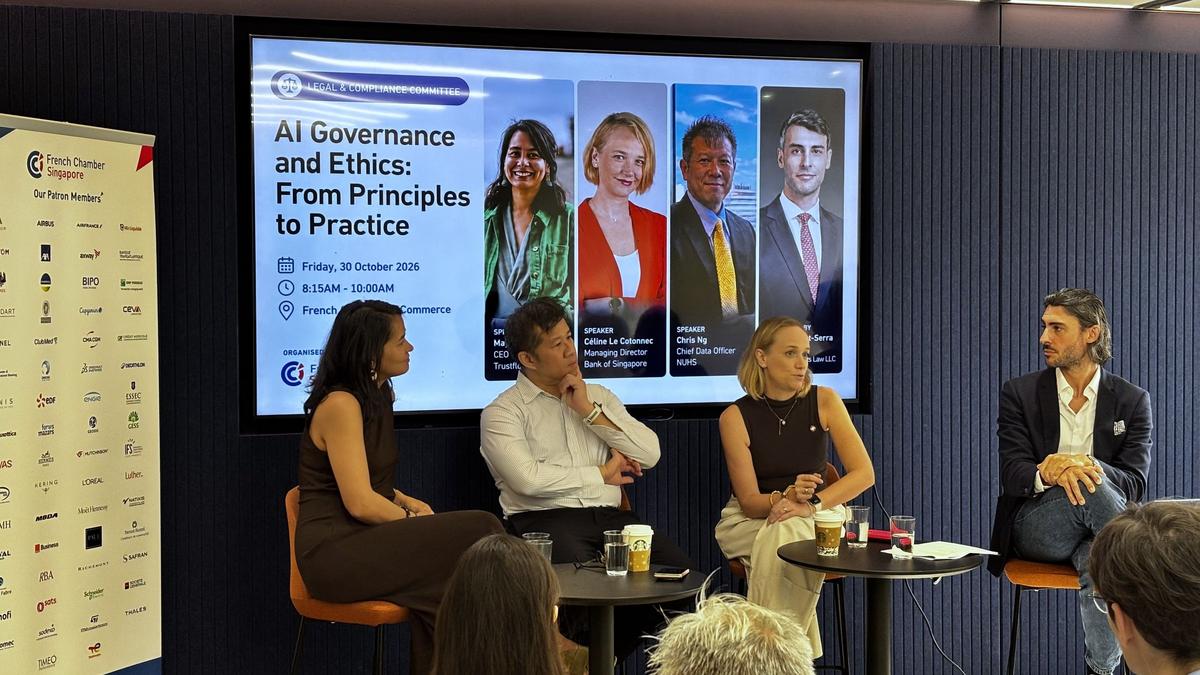
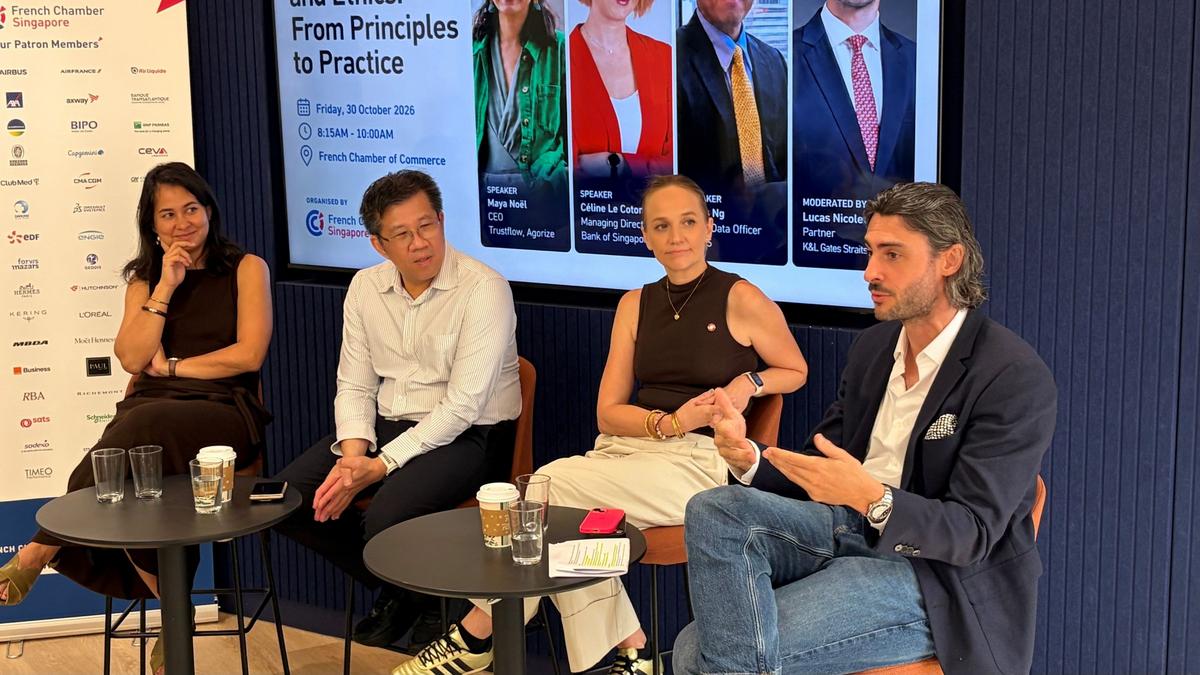
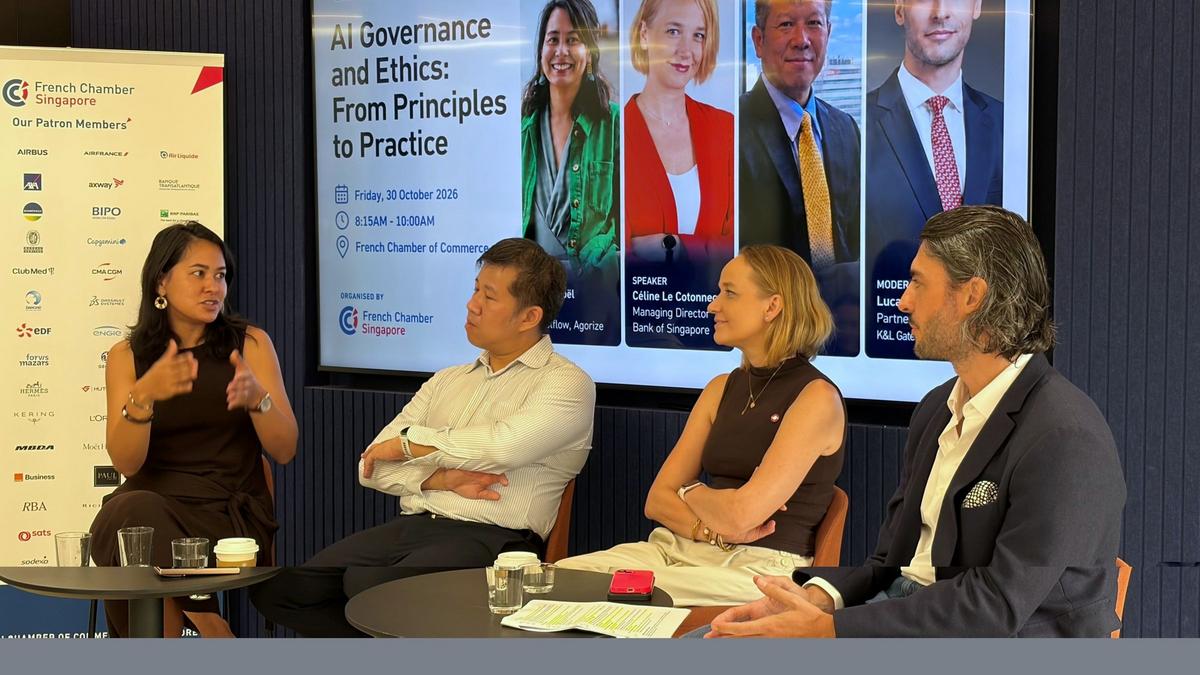
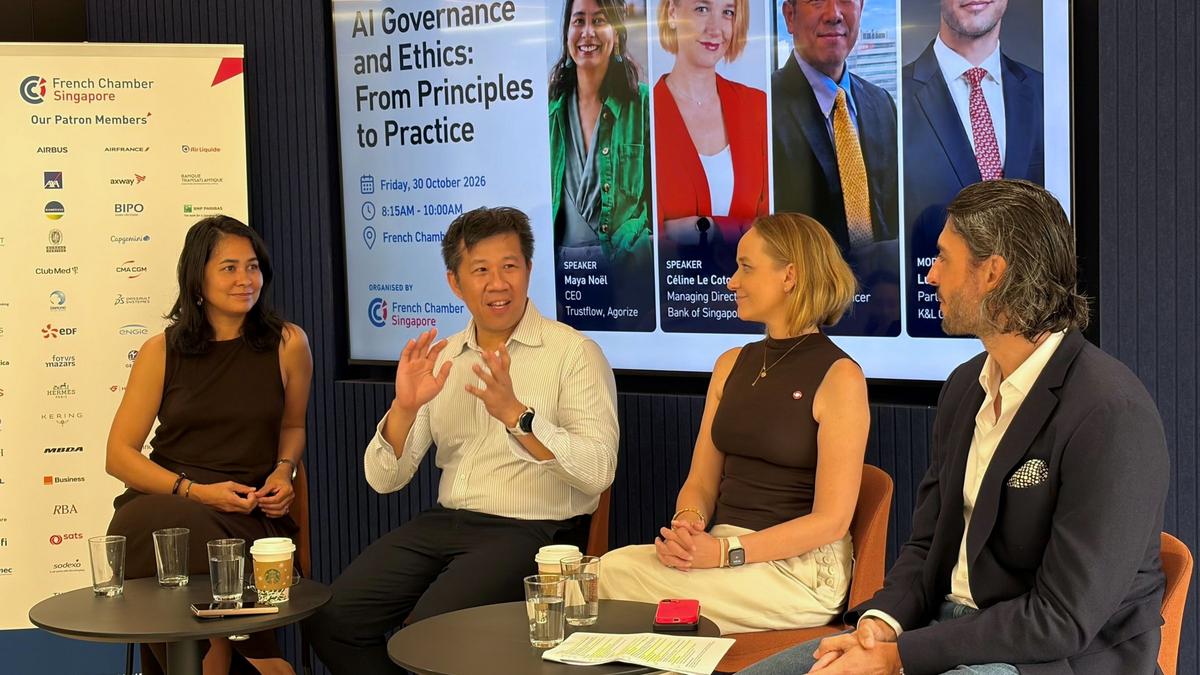
The Legal & Compliance Committee brought together experts from the technology, banking and healthcare sectors for an insightful panel discussion on the challenges of putting AI governance into practice.
Moderated by Lucas Nicolet-Serra, Partner at K&L Gates, the discussion featured three perspectives:
- Maya Noël, CEO of Trustflow, Agorize, sharing insights into the challenges faced by startups and scale-ups navigating evolving AI regulations.
- Céline Le Cotonnec, Managing Director at Bank of Singapore, bringing the perspective of a regulated financial institution, where accountability, explainability and third-party risk are essential.
- Chris Ng, Chief Data Officer at National University Health System (NUHS), offering insights into AI governance in the healthcare sector.
The conversation explored how organisations can translate governance principles into effective operational controls, navigate different regulatory approaches across Europe and Singapore, and address the new challenges introduced by agentic AI.
A recurring theme was the importance of striking the right balance between technological innovation, regulatory requirements and human oversight.
Key Takeaways
1. Turn policies into practice
AI governance must go beyond written principles. Policies need to be translated into technical rules and embedded into IT systems to guide how AI is developed, deployed and used.
2. Make governance adaptable
Regulations often struggle to keep pace with rapid AI developments. Organisations need flexible governance frameworks that can evolve alongside emerging technologies and regulatory expectations.
3. Keep humans in control
AI agents can improve efficiency, but human oversight, clear accountability and continuous monitoring remain essential, particularly when handling confidential or sensitive data.
4. Bridge business and IT
Effective AI governance requires close collaboration between business and technical teams. Chief Data Officers play an important role in translating business requirements into practical technical controls.
5. Invest in AI literacy
Understanding AI's opportunities and risks is essential across the organisation. Employees need the skills to work alongside and oversee AI agents, with critical thinking becoming increasingly important.
Successful AI governance is not just about compliance. It is about combining technology, accountability and human skills to enable responsible AI adoption.
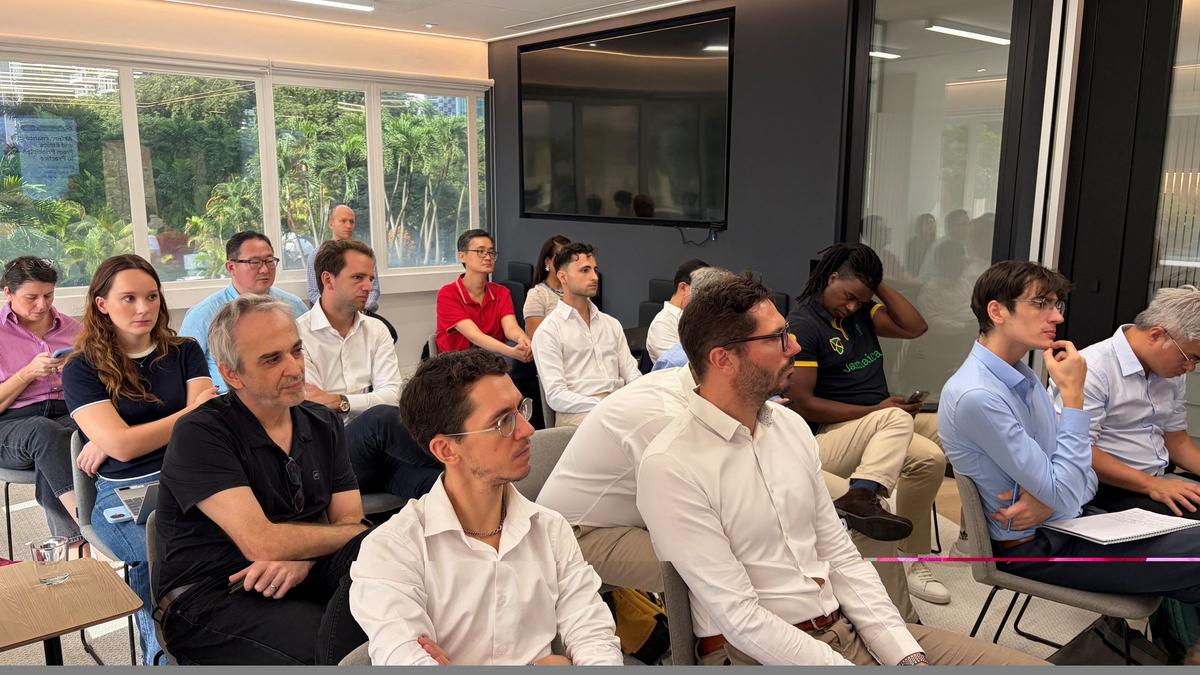
A warm thank you to Lucas Nicolet-Serra for moderating the discussion, to Maya Noël, Céline Le Cotonnec and Chris Ng for sharing their insights, and to all participants for joining us and contributing to the conversation.
For more information about the Legal & Compliance Committee, please contact Vanessa Hobbs at vhobbs(@)fccsingapore.com