Portraits
Trainer Spotlight | You can be right… and still get nowhere
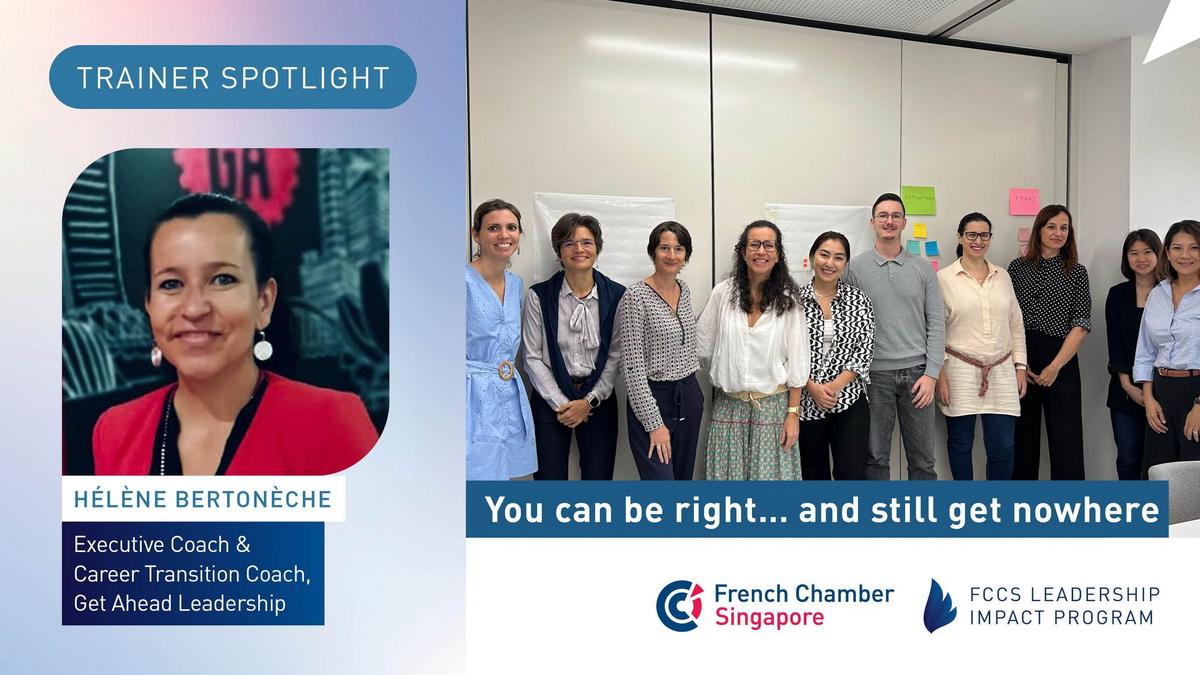
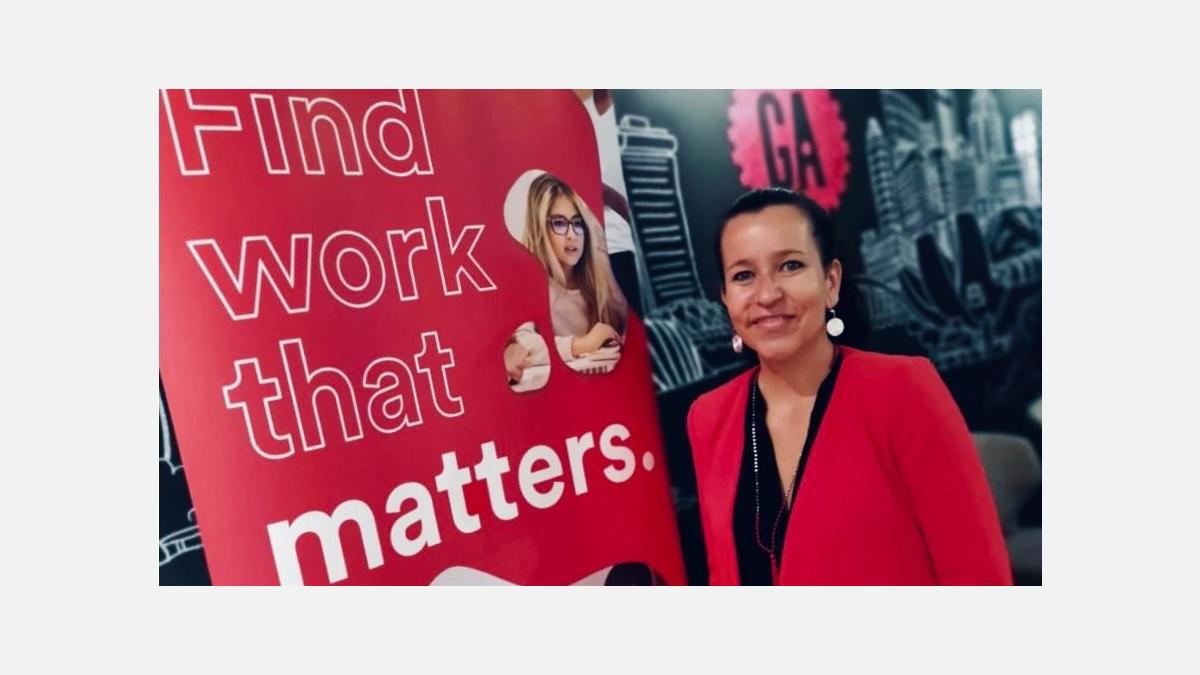
Hélène Bertonèche, Executive Coach & Career Transition Coach at Get Ahead Leadership shares her insights on navigating organisational dynamics, building influence through relationships and understanding the unwritten rules that shape how decisions are made.
Why do highly capable leaders sometimes struggle to get things done?
I think part of the answer lies in what made them successful in the first place.
Many have built their careers on expertise, hard work and delivering results. Naturally, they keep relying on what has worked.
But as responsibilities grow, the rules change. Getting things done increasingly depends on people we don't manage, priorities we don't set and decisions we don't control.
I see this regularly in coaching. Talented leaders wondering: “My proposal makes sense, the data supports it. Why isn't anything moving?”
Sometimes they're so focused on making their case that they overlook what's happening around it.
Who hasn't been consulted? What concerns haven't been voiced? Who really influences the decision?
Understanding these dynamics requires curiosity, perspective and a willingness to look beyond our own assumptions.
Organisational politics has a bad reputation. How can leaders navigate these dynamics without compromising who they are?
I have a lot of sympathy for people who say, “I hate politics. I just want to do a good job!”
But organisations are human systems, shaped by relationships, interests, perceptions, history and informal power. Ignoring these dynamics doesn't make them disappear.
We can learn to navigate them consciously, while staying true to ourselves.
Having spent most of my life across cultures, I've learned how differently the same behaviour can be interpreted. What feels perfectly natural to us may land very differently with someone else.
Being curious about other perspectives, adapting our approach and choosing our battles are all part of navigating that complexity.
What's one thing you wish more leaders understood about influence?
How much happens before the conversation.
We prepare arguments, refine presentations, gather more evidence. I've done it too!
But sometimes we keep improving the argument when the argument was never the problem.
Perhaps trust is missing. Perhaps we haven't understood someone's concerns. Or the right people weren't involved early enough.
Influence develops through relationships, credibility and an understanding of what matters to others. And those relationships need attention long before we have something to ask.
Of course, there are moments when leadership requires challenging, disagreeing or holding your ground.
I like the idea of “reading the room” because it encourages us to pay attention to the people, the context and the dynamics around us.
And then decide, with intention, how we want to show up and move things forward.
Hélène Bertonèche is one of the trainers of the FCCS Leadership Program, sharing her expertise in navigating organisational dynamics, building strategic influence and managing stakeholder relationships with FCCS members.