Analyses & Etudes
Focus Healthcare: How Can I Tell if My Palpitations are Due to Stress or an underlying Heart Condition?
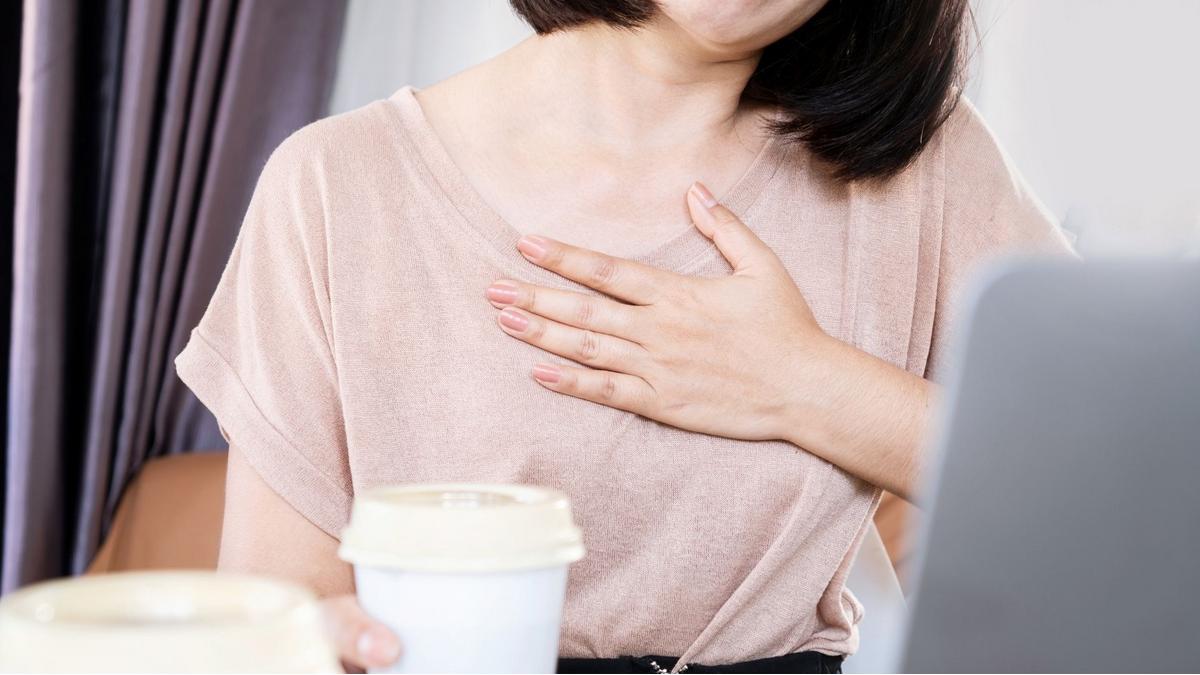
Most people experience palpitations, or an unusual sensation of their heart beating, at some stage in their lives. Whilst the symptoms can be quite unnerving and unpleasant, palpitations are usually benign and not dangerous. However, in some people, palpitations may be a sign of an underlying heart problem or cardiac arrhythmia and may require more detailed investigation and treatment. So how can you tell whether your palpitations are due to stress or an underlying heart condition?
The following insights can help you better understand your heart palpitations and figure out their cause.
What are palpitations?
Heart palpitations feel different depending on the person and the underlying cause. To some, it may feel like their heart skips a beat. Others may feel like their heart is fluttering or that their heart is beating extra hard or extra fast. Some people can feel the palpitations in different parts of their body, such as the neck or back whilst others may just feel uneasy, anxious, or sweaty, not realizing it could be their heart.
What are the causes?
Many external factors can affect the heart rate and rhythm and lead to the sensation of palpitations. These include taking too much caffeine or alcohol and episodes of acute stress and anxiety. Other external factors associated with palpitations include dehydration, low blood sugar, low blood pressure, abnormal electrolyte levels (e.g. low potassium) and infection/ fever and poor-quality sleep. Some women feel palpitations around their menstrual period.
Some underlying medical conditions can also lead to palpitations include heart muscle disease (cardiomyopathies), coronary artery disease, heart valve problems, diabetes, an overactive thyroid, anaemia and sleep apnoea.
How do you tell the difference?
If the palpitations are few and far between, they are probably not too serious. It is useful to take note of what you are doing when the palpitations occur. Were they related to recent activities such as an intense workout, a stressful day at work or not having drunk much that day?
Keep track of what the palpitations feel like and if you have any other symptoms. If you experience chest discomfort, dizziness, lightheaded or confusion, or if the palpitations are continuous or prolonged (lasting more than 20mins), they may be due to an underlying heart problem, and you should seek medical attention urgently. Click a pen or tap a finger to be aware of what your heart rhythm is doing. Note down your heart rhythm and symptoms so you can better describe them to your doctor.
Diagnosing Heart Palpitations
As with any other health concern, see your doctor about your palpitations if you can’t rule out common issues, like alcohol or exercise. Your doctor can run tests to diagnose or rule out any health conditions. The doctor will take a careful medical history and do an examination, including listening to your heart and checking your blood pressure. The doctor will likely run some tests to check your potassium, and sugar levels and thyroid function.
If you are referred to see a cardiologist, you may have additional tests done such as an electrocardiogram (ECG), echocardiogram (ultrasound scan of your heart) and have a heart rhythm monitor attached for a period of time (anything from 24 hours to a couple of weeks). This records your heart rate and rhythm through sensors placed on your chest, storing the data onto a device. Your doctor will then analyse that data for any irregularities. If there is a need for longer-term testing, your doctor may implant a device inside your body. Devices like this can record heart-related data for a year or more.
What can I do to stop palpitations?
Your doctor may prescribe medication or therapies to help stop or reduce heart palpitations. Occasionally, the doctor may recommend a procedure (catheter ablation) to treat the underlying electrical problem if serious.
If your palpitations aren't related to a severe condition or don't happen often, consider some of the following techniques:
- Deep breathing, yoga, and meditation. These activities can help keep your focus on controlling your body and breathing, which helps regulate your heartbeat.
- A splash of cold water. You can help slow your heartbeat by lowering your body temperature. You can do this by splashing cold water on your face, putting your face in a basin of cold water, or placing a cold towel on your neck.
- Limit or cut stimulants. Caffeine, alcohol, many drugs, and nicotine can all cause palpitations. Cutting or reducing your intake of these substances can reduce palpitations.
If in doubt, or if you have any other medical conditions or cardiac risk factors or are concerned about the nature of your palpitations, it’s best to seek specialist advice.
By Dr Reginald Liew, Senior Consultant Cardiologist, Harley Street Heart & Vascular Centre