Analyses & Etudes
“Nobody Uses It Anyway”: The Dangerous Myth About Employee Insurance
Key Takeaway:
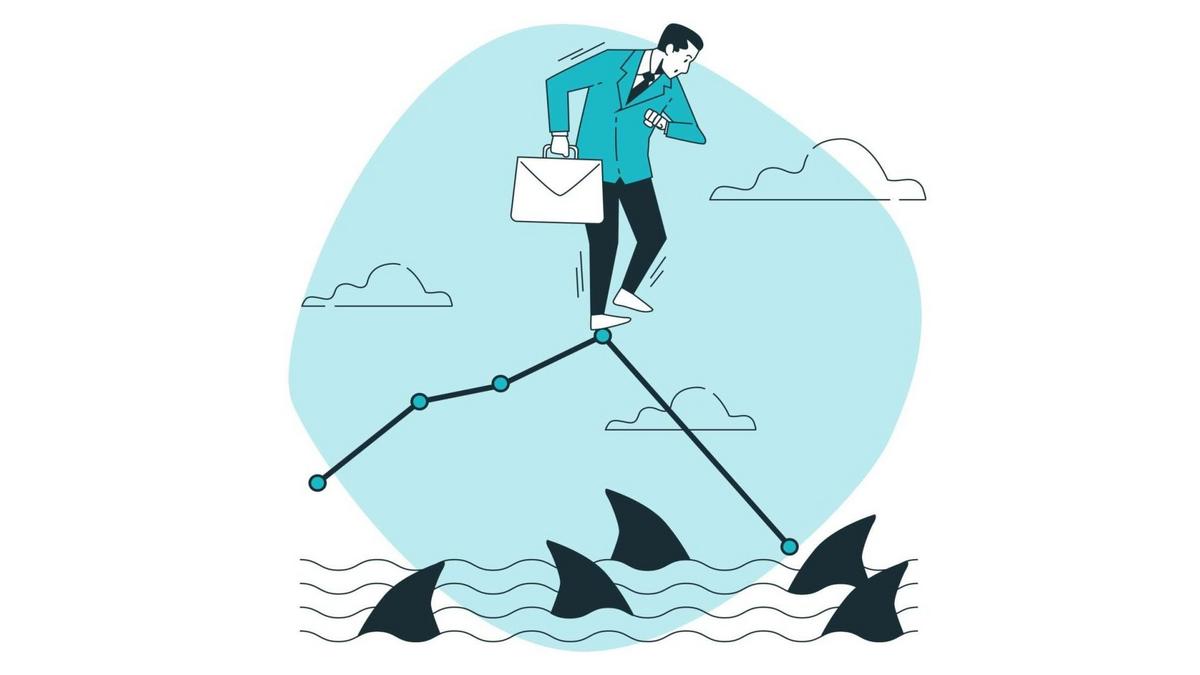
Don’t measure the value of employee insurance by how often it’s used. A low claims rate isn’t a waste of money—it’s a sign of a healthy workforce and a strong safety net. Insurance is not a perk. It’s protection.
In conversations with SME founders and HR teams, a common sentiment comes up more than you’d expect:
“We’re spending so much on insurance, but nobody really uses it. Maybe we should reduce the coverage, or communicate it better to increase usage.”
From a cost-conscious standpoint, this makes sense. Why pay for something your team barely touches?
Here’s the hard truth: that kind of thinking misunderstands what insurance actually is. And it could put your people, and your company, at risk and that’s exactly what makes it so powerful.
Let’s unpack why.
Insurance Isn’t a Perk - It’s a Promise
Insurance isn’t a gym membership or a subsidised lunch program. It’s not meant to be consumed daily. It’s a safety net, designed to catch your people when they fall. And like all good safety nets, its value is often invisible… until the moment it becomes life-changing.
It shows its real value in situations such as:
- An employee is diagnosed with cancer.
- Someone needs emergency surgery while traveling.
- A family member falls critically ill.
In those moments, your insurance policy isn’t just a benefit. It’s proof that your company cares. It’s stability. It’s dignity. And it’s leadership.
When it really matters, your team won’t ask how much it cost. They’ll remember you were there.
“Low Usage” Isn’t a Problem, It’s a Positive Sign
Let’s flip the narrative.
If no one’s making big claims, that likely means your people are healthy. That’s great news.
Would you cancel your fire insurance just because your building didn’t burn down this year? Of course not.
Just like property coverage, employee insurance is about readiness, not frequency. A low-claims year isn’t money wasted. It’s a win for your team’s well-being.
What to Measure Instead
If you’re trying to assess the real impact of your insurance program, here’s what you should be looking at:
- Are outpatient and preventive benefits being used?
These are the everyday health touchpoints; check-ups, vaccinations, and GP visits. If usage is low, it might mean employees don’t know what’s available or aren’t sure how to access care.
- Do employees understand their coverage?
If your people don’t understand what they’re covered for, or how to claim, it’s a communication or design issue, not a usage one.
- How does your plan compare to others in your space?
Benchmark your coverage against similar-sized companies. Does your plan reflect your company’s values, culture, and growth goals?
- Are you spending smart?
Maybe you’re overinvesting in something nobody values, or missing an opportunity to support your team in more meaningful ways.
Communication Still Matters but So Does Design
Yes, we absolutely should communicate better. Many employees don’t know what they’re covered for, how to make claims, or why certain benefits exist. That’s an internal marketing problem, not a policy problem.
But before pushing communication alone, ask:
- Is your plan too complex?
- Are the benefits relevant to your employee demographics?
- Are claims processes frustrating or unclear?
A well-designed, well-communicated plan leads to peace of mind, not just paperwork.
What to Do Instead of Cutting Coverage
If you’re concerned about cost, here’s what you can do without compromising protection:
- Audit your plan: Work with a benefits consultants, like Cléma, to review underutilized components, assess risk, and reallocate resources to higher-impact areas.
- Tailor your benefits: Not all teams need the same coverage. Design with intention, not default.
- Invest in preventive care: Shift from reactive to proactive healthcare. Encourage early detection and healthier habits.
Final Word
Insurance is not about frequent use. It’s about readiness. And when your employee, or their family, is in crisis, they won’t ask if your plan was cost-efficient. They’ll remember that you were there.
So let’s stop measuring the value of insurance by how often it’s used and start recognising it for what it truly is: one of the most powerful ways a company can say, we care.
Ready to design smarter, more meaningful benefits for your team?
Let’s talk about what protection could really look like at your company.
By Margaret Ferté, Chief Executive Officer, Cléma Risk Solutions
Source: Cléma Risk Solutions