Secteurs & marchés
Semiconductors and AI: Singapore strengthens its priorities with a €24.5 billion R&D budget over five years

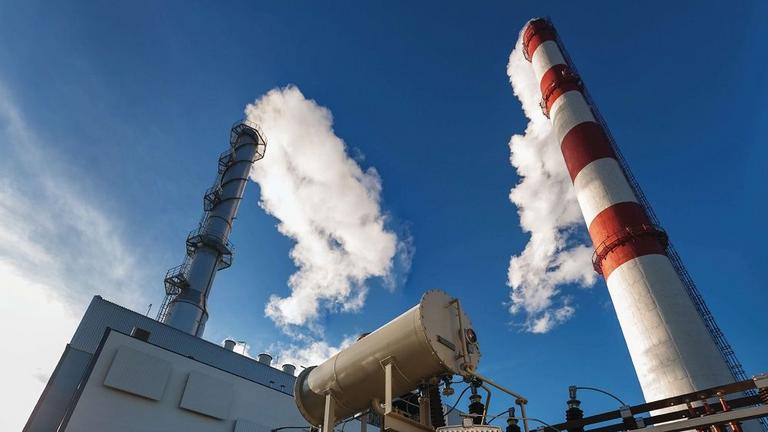
Photo source: Datix
Singapore will make semiconductors and artificial intelligence a priority under its RIE2030 research and development master plan, with a €24.5 billion budget over five years covering the 2026–2030 period. This funding represents the eighth edition of the country’s national research and innovation plans, which began in 1991 with an initial allocation of USD 1.4 billion. The previous cycle, RIE2025, amounted to €18.5 billion. According to Senior Minister Lee Hsien Loong, these stable investments—equivalent to around 1% of GDP—have been maintained for nearly twenty years to sustainably strengthen the country’s capabilities.
Lee also chairs the Research, Innovation and Enterprise Council, made up of ministers and leaders from the scientific sector, which advises the government. According to the National Research Foundation, multinational companies remain the main contributors to private R&D funding, with Business Expenditure on Research and Development (BERD) reaching €5.3 billion in 2022, up from €2.8 billion in 2012.
The RIE2030 plan, 32% larger than its predecessor, will be structured around five pillars. The largest allocation—€7.1 billion (29% of the total)—will fund continued investments across four areas: industry; connectivity and trade; health; sustainable urban development; and the digital economy. Within this envelope, €2 billion will support two new cross-cutting programmes: RIE Flagships, focused on generating economic value, and RIE Grand Challenges, dedicated to national priorities.
One RIE Flagship will be launched to develop the semiconductor industry, with Singapore already producing 10% of the world’s chips and 20% of global semiconductor manufacturing equipment. The country has attracted more than €11.9 billion in investments in this sector over the past two years. A Grand Challenge on health and ageing will also be launched.
The second-largest budget item (€5.9 billion; 24%) will strengthen fundamental research. The remaining funding will be allocated to talent development (€2.3 billion; 10%), support for innovation and deep-tech clusters (€5 billion; 20%), and emerging exploratory projects (€4.2 billion; 17%).