Analyses & Studies • Publications
Flexi-Benefits: A Game-Changer or a Cost Trap? What Every CEO and HR Leader Must Know
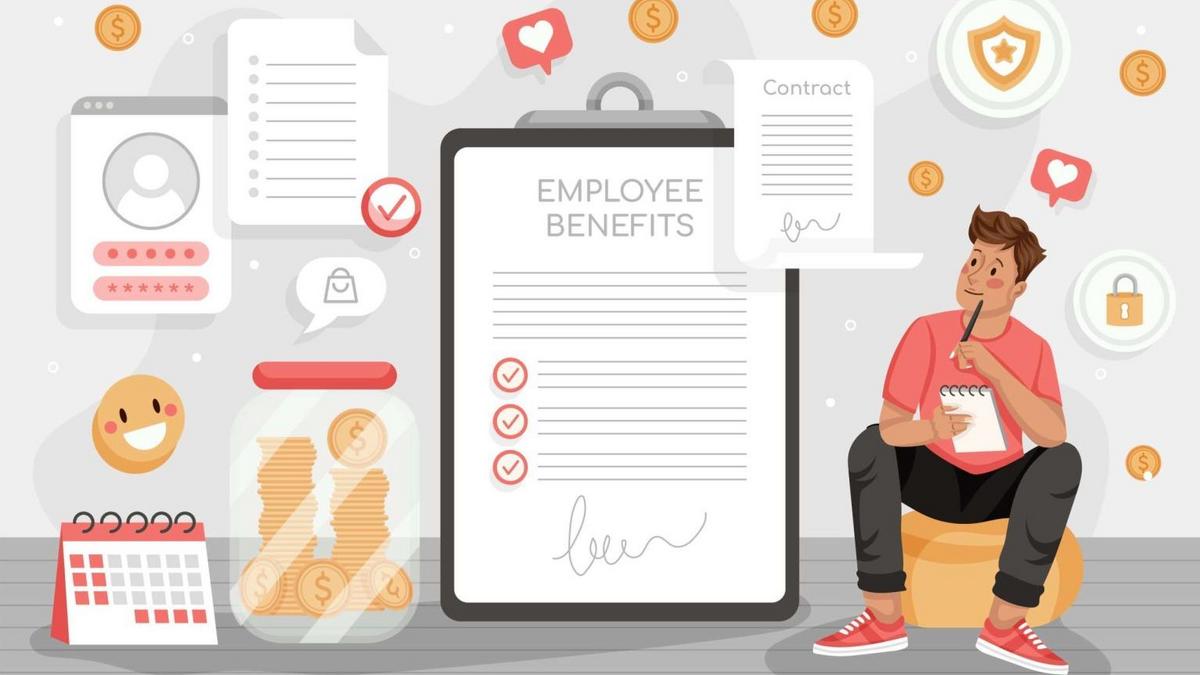
As businesses scale and talent demands evolve, flexible employee benefits, commonly known as flexi-benefits, are becoming a hot topic in boardrooms. They promise choice, personalization, and employee satisfaction. But behind the buzzwords lies a complex reality that can impact your insurance premiums, loss ratios, and long-term sustainability especially if you’re a fast-growing startup or SME.
If you’re a CEO or HR leader looking to introduce flexi-benefits, understanding the potential impact on your business is crucial before moving forward.
What Are Flexi-Benefits, Really?
Flexi-benefits allow employees to customize their benefits from a menu of options like upgrading inpatient coverage, adding outpatient or dental, or opting for wellness perks. The idea is simple: let employees pick what suits them best, instead of offering a one-size-fits-all package.
This model is increasingly seen as a talent magnet, especially among younger, more diverse workforces. In fact, 59% of employees say that personalized benefits are a key factor in staying at their current job, according to Aon’s 2025 Employee Sentiment Study. With more options, employees can choose benefits that align with their specific needs, leading to higher satisfaction and engagement.
But with greater choice comes greater responsibility for the employer.
The Hidden Risk: Impact on Insurance Premiums
On the surface, giving employees more flexibility sounds like a win-win. But here’s where many companies get caught off guard: those who choose to upgrade their coverage are more likely to claim. And those claims? They don’t go unnoticed.
In insurance terms, this means your loss ratio (claims paid vs. premiums collected) could rise, which in turn affects future renewal premiums.
High utilization = higher loss ratio = increased premiums.
This is especially true in experience-rated policies, where your company’s claims history directly influences what you pay at renewal. So, while flexi-benefits can enhance employee satisfaction, if not managed carefully, they can also trigger significant cost hikes year-on-year.
Case in Point: The Flexi-Benefit Spiral
Let’s say you implement flexi-benefits in a company of 30. A handful of employees choose to top up their coverage significantly. One or two end up making large claims. Your insurer sees a spike in utilization and flags your group as high-risk. At renewal, you’re hit with a 25% premium hike. You’re left with two options:
- Absorb the cost and cut from other budgets.
- Reduce benefits and risk employee dissatisfaction.
Neither is ideal.
Is There an Ideal Pool Size for Flexi-Benefits?
Yes, scale matters.
Flexi-benefits work best in larger pools, where risk is spread across more lives. In a company of 100+, the impact of one or two large claims is diluted. But in smaller teams, each claim weighs heavily on the group’s performance, making flexi-benefits riskier and more volatile.
So, what’s the magic number?
While there’s no one-size-fits-all rule, most insurers recommend a minimum of 50 employees for a sustainable flex program, especially if claims are experience-rated.
Additional layers of underwriting or premium buffers may be needed below that.
So, Should Startups Avoid Flexi-Benefits?
Not at all. But you need to be strategic.
At Cléma, we help startups design scaled-down, smart flex programs that offer meaningful choice without exposing the company to unnecessary risk. For example:
- Offer tiered benefits: Provide 2–3 curated plans instead of full à la carte options.
- Apply caps on upgrades: Limit the extent to which employees can upgrade to control exposure.
- Structure policies on community-rated plans (where available): This helps avoid loss-ratio-based pricing, making it more predictable.
Keys to a Sustainable Flexi-Benefits Strategy
If you’re scaling and want to introduce flexi-benefits without losing financial control, here’s what you need to keep in mind:
- Understand Your Workforce
Know your demographics, claim trends, and employee preferences. Younger teams may value outpatient or mental wellness; older teams may prioritize chronic care.
- Watch the Loss Ratio
Track how claims are trending quarter-on-quarter. This is your early warning system for future premium hikes.
- Choose the Right Plan Structure
Where possible, start on a packaged, community-rated plan to gain predictability. Switch to tailored, experience-rated plans only when scale allows for better control and negotiation power.
- Educate Your Employees
Help your team understand the cost implications of their choices. Studies show that about 47% of employees don’t fully understand their benefits, a knowledge gap that could lead to overuse or misuse of benefits that drive up premiums.
- Work With a Strategic Broker
A good broker doesn’t just sell you a policy. They help design, implement, and optimize your benefits strategy year after year. Find a partner who understands the delicate balance of cost control and employee satisfaction.
Why Cléma?
At Cléma, we’ve supported hundreds of startups and SMEs in Singapore, Hong Kong, and China over the last 20 years. As an SME ourselves, we understand how crucial it is to balance cost, coverage, and culture.
One of our clients put it best:
“Cléma made sure our employee benefits scaled with us without unexpected cost hikes. We don’t just have a broker; we have a strategic partner who ensures we stay competitive in attracting top talent.”
Final Word: Flexi-Benefits Are Powerful But Only If You Get Them Right
Flexi-benefits can be a game changer for talent acquisition and retention, especially in today’s competitive hiring landscape. But without a smart strategy, they can quickly become a cost trap that derails your growth plans.
If you’re planning to scale, don’t wait to get your benefits strategy right. The decisions you make now will shape your cost structure and company culture for years to come.
By Margaret Ferté, Chief Executive Officer, Cléma Risk Solutions
SOURCE: Cléma Risk Solutions