Companies news
How CEVA's Sustainable Sea Link Tackles Battery Waste
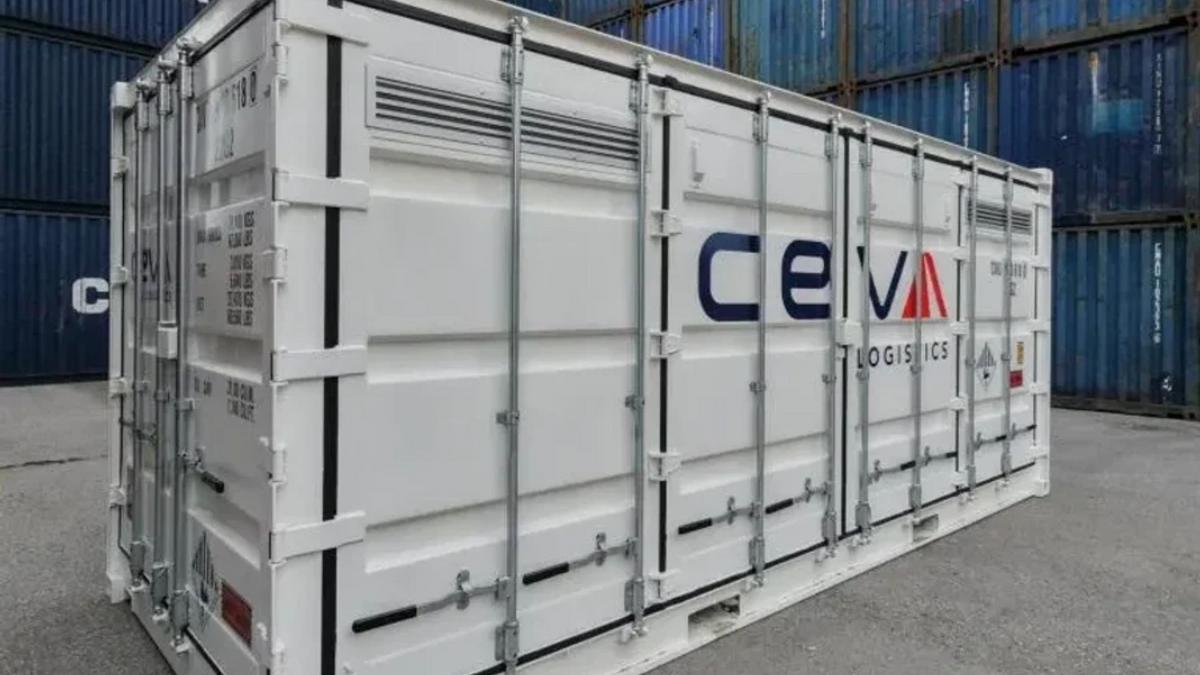
CEVA has launched a lithium-ion battery solution. Credit: CEVA Logistics
CEVA's solution transports used lithium-ion batteries from isolated island territories to European recycling facilities, closing the sustainability gap
CEVA Logistics has launched a maritime transport service for used lithium-ion batteries from island territories to mainland Europe.
The service could provide a sustainable pathway for battery disposal as the market expands.
The system functions as a reverse logistics solution that routes batteries to recycling facilities. This could address challenges faced by isolated regions that lack local processing infrastructure for end-of-life battery management.
Responding to market expansion
CEVA Logistics operates as a third-party logistics provider in supply chain solutions and reverse logistics. The company has existing electric vehicle battery reverse logistics operations that move goods from end users back to manufacturers for returns or recycling.
According to the company, the battery market has grown substantially in recent years due to electric vehicle adoption and increasing demand for energy storage solutions across multiple sectors. Battery waste has become a pressing environmental concern as volumes increase and disposal requirements become more stringent.
The transportation of batteries from island territories to mainland facilities has presented particular logistical and regulatory challenges. CEVA has developed the maritime service specifically for used batteries to bridge this infrastructure gap.
The system allows lithium-ion batteries to be transported safely to continental Europe for evaluation and processing into established recycling systems.
"Lithium-ion battery recycling is a key issue for Europe, and we are committed to making the battery sector more circular," explains Eric Dessupoiu, VP Finished Vehicle Logistics, CEVA Logistics.

Eric Dessupoiu, VP Finished Vehicle Logistics, CEVA Logistics
Serving isolated geographies
The solution aims to serve island countries and territories that have access to electric vehicle markets and lithium-ion batteries but lack resources for safe disposal. These locations are managing accumulations of used batteries without viable local solutions.
The maritime transport service could offer an alternative for regions without local recycling systems or with limited capabilities. Batteries transported to Europe would be subject to European regulations on handling and disposal, ensuring compliance with environmental standards.
This could support mandatory requirements on collecting and recycling batteries used within the European Union. CMA CGM shipping lines will offer the transport service through a partnership with CEVA Logistics, combining maritime expertise with logistics capabilities.
CEVA will use a double-container system for safety during transit. Used batteries are consolidated into containment vaults that are then placed into larger shipping containers designed specifically for battery cargo transport.
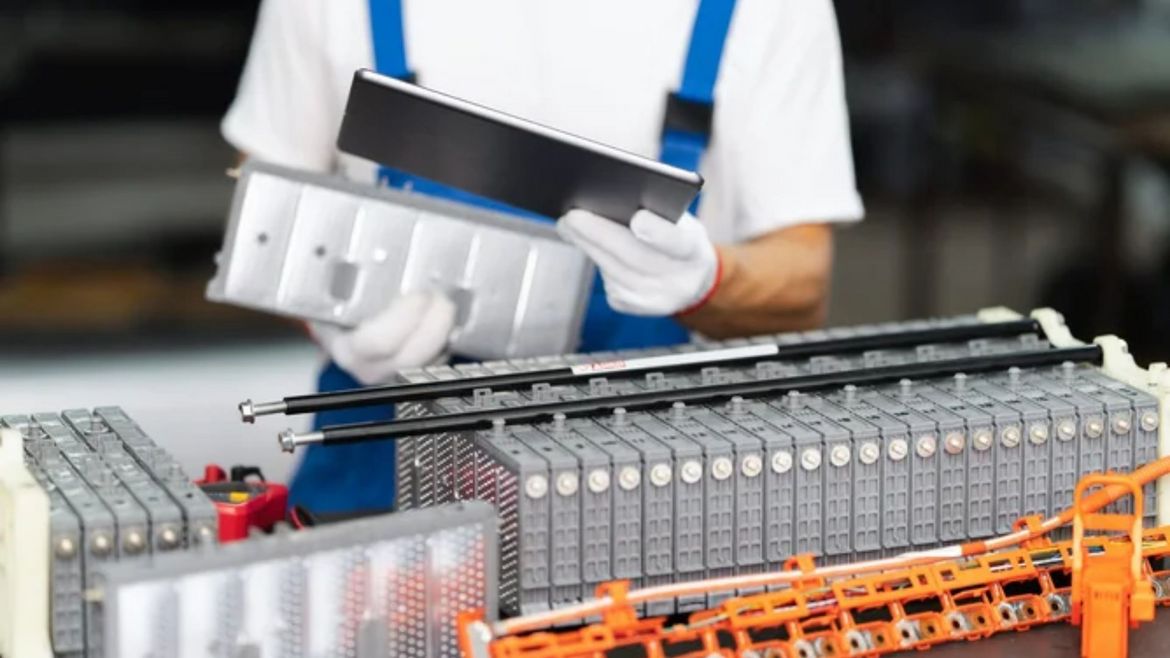
Growing demand for EVs pushed up demand for lithium-ion batteries. Credit: Getty
Implementing safety protocols
Each container can hold four vaults with a transport capacity of up to six tons. The system is designed to address potential instability risks when transporting lithium-ion batteries across maritime routes.
Technicians trained in chemical, electrical and fire safety participate in each operation. Their role involves ensuring batteries are packed and placed into containers with minimal risk for leakage or thermal incidents during transport.
Each used battery transport project undergoes technical and administrative review before shipping. This includes completion of tracking declarations and procedures implemented by CEVA's reverse logistics experts to maintain safety standards.
The solution encompasses collection, handling, road and sea transportation, temporary storage, diagnosis and dismantling in a Battery Logistics Centre. This could create a circular value chain for end-of-life batteries, supporting sustainability objectives.
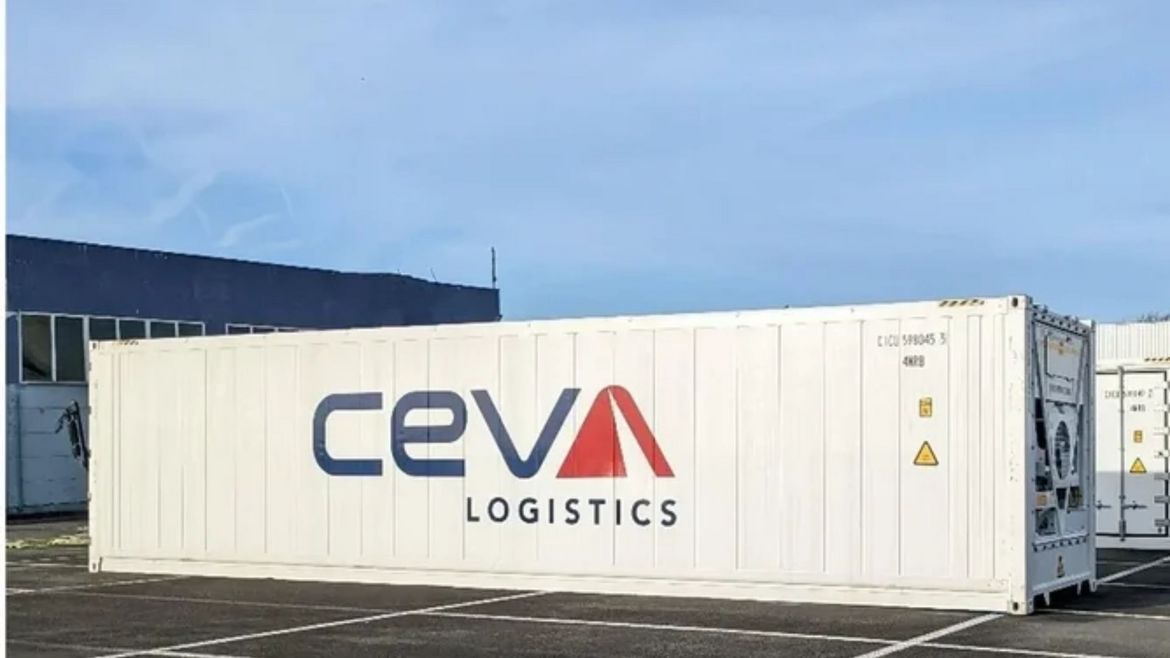
CEVA is responding to market demands with new transportation service. Credit: CEVA Logistics
Deploying across Europe
The service is being deployed across Europe for battery disposal. According to CEVA Logistics, it became operational in March 2026 following an initial deployment of five adapted containers designed for the specific requirements of battery transport.
The maritime transport service could provide a route for batteries from territories where recycling infrastructure does not exist. This addresses the gap between battery market access and end-of-life processing capabilities in remote locations.
Eric notes the solution builds on CEVA's automotive sector logistics work. "We've leveraged our expertise as a logistics provider in the automotive sector with the launch of CEVA's Reverse Logistics solution in 2025, and now we're strengthening the offering with a dedicated maritime transport solution to support the disposition and transport of batteries for recycling purposes."
The system could support the transition to more sustainable battery management as electric vehicle adoption continues in both mainland and island regions.
SOURCE: SUSTAINABILITY MAGAZINE