Event report
Past Event | Raw Material Trends in Asian Food Markets — Opportunities and Obstacles
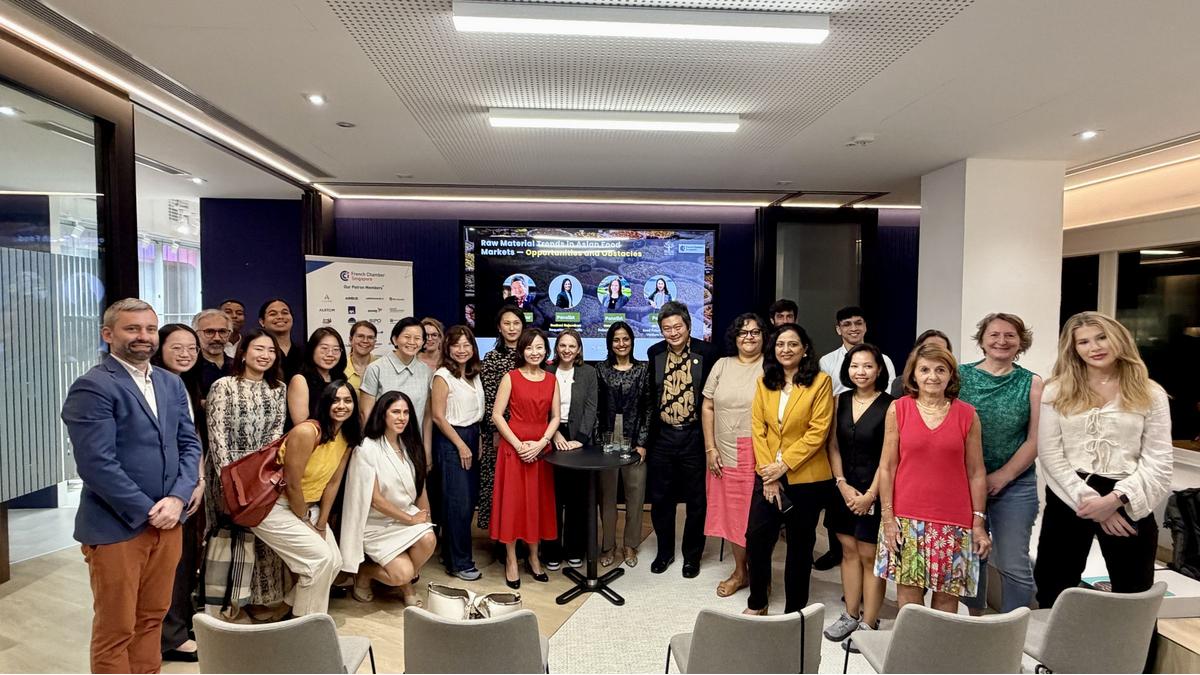
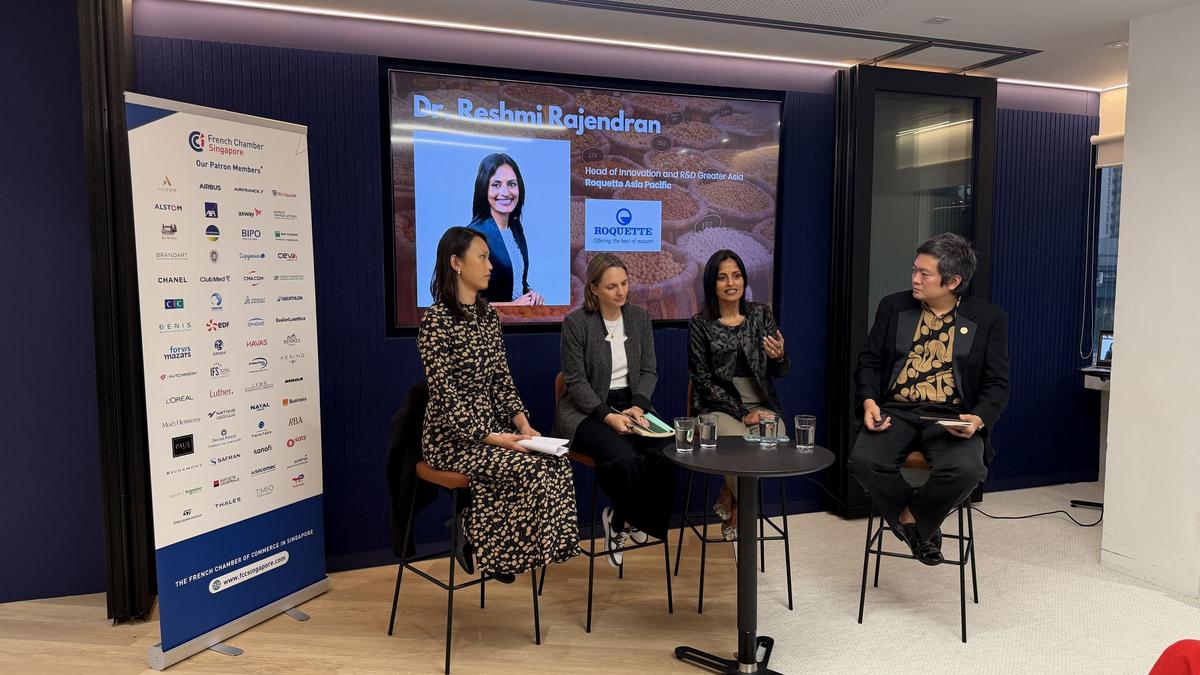
The French Chamber of Commerce recently co-organised with WOMAG – Grow With Us an insightful discussion titled “Raw Material Trends in Asian Food Markets: Opportunities and Obstacles”, bringing together experts from across the agri-food value chain
The session explored how volatility in raw materials is reshaping Asian food markets, highlighting both emerging opportunities and key challenges related to supply chains, innovation, sustainability, regulatory frameworks, and cost pressures. Discussions also focused on evolving sourcing strategies, alternative ingredients, and how companies can adapt to changing consumer expectations while building more resilient, future-ready food systems.
A warm thank you to our speakers for sharing their practical insights and market perspectives:
Megan Willis, Associate, Robertsbridge Group
Reshmi Rajendran, Head of Innovation & R&D, Greater Asia, Roquette
An Wang, Founder, SeedFuture
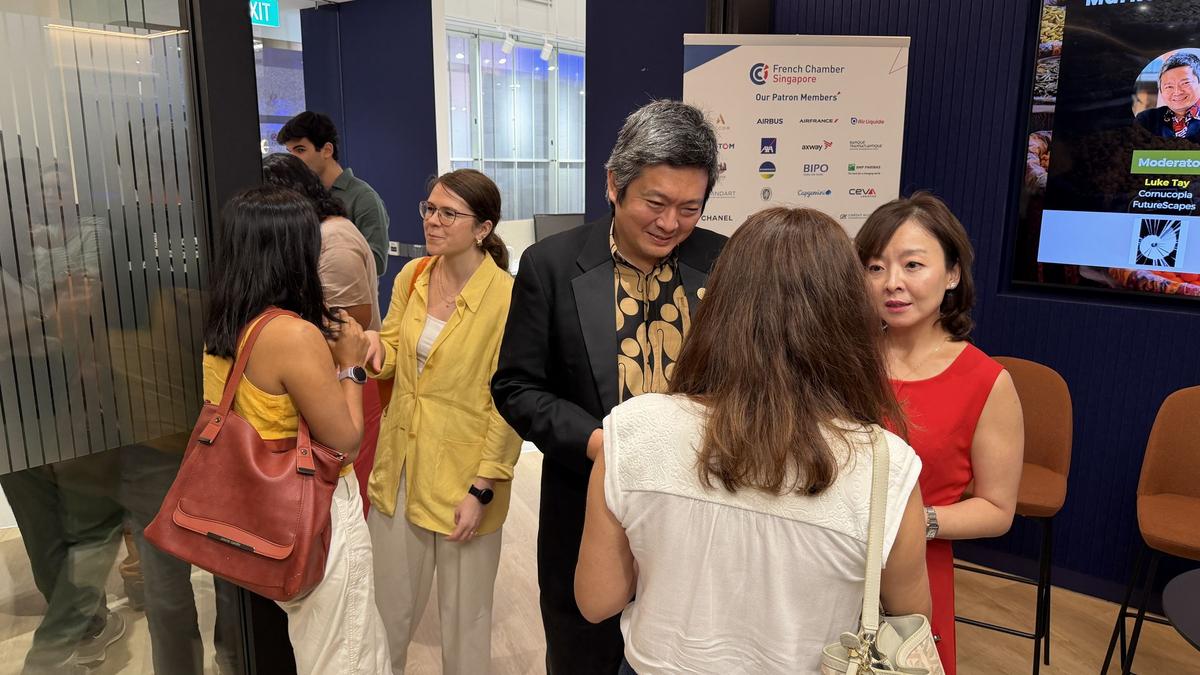
And special thanks to Luke Tay, Founder, Cornucopia FutureScapes, for skillfully moderating the session.
Here are the key learnings from the discussion, highlighting insights on sustainability, quality, and innovative approaches in supply chains:
1. Sustainability only works when it creates long-term business value
Speakers emphasized that sustainability cannot be treated as a short-term compliance task or a marketing add-on. Companies navigating today’s volatility best are those treating sustainability as a long-term investment in resilience, durability, and business longevity—even when short-term costs are visible.
2. Quality comes before sustainability in consumer markets
Consumers will not buy products for sustainability alone. Taste, texture, consistency, and performance must come first—especially in food. Sustainability and ESG goals only scale when R&D and sustainability teams collaborate to deliver high-quality products that also happen to be sustainable.
3. Commodity systems shift risk to farmers and undermine sustainability
The coffee case study (China, Indonesia, Southeast Asia) showed how global commodity pricing creates price volatility, farmer insecurity, declining quality, and environmental degradation. When farmers are paid poorly and unpredictably, they prioritize yield over quality and stewardship, making sustainability nearly impossible.
4. Regenerative, regional, and ecosystem-based models show the most promise
Ecosystem approaches—such as agroforestry, crop rotation, waste valorization, and regionalized supply chains—can improve farmer income, soil health, climate resilience, and supply consistency. Regional sourcing also reduces logistics complexity and aligns better with future trade and food-safety regulations.
5. Scaling change requires patient capital, coordination, and realism
Many pilots fail because scaling regenerative or sustainable practices is labor-intensive, costly, and slow. Successful change requires patience, coordination, and realistic expectations.
For more information about the Agri-Food Innovation Committee, please contact Vanessa Hobbs at vhobbs@fccsingapore.com.