Analyses & Studies
Customized Benefits: The Smart HR Approach for SMEs to Boost Retention and Engagement
Key Takeaway
SMEs and startups in Singapore are rethinking employee benefits, not just for cost control, but to boost retention, engagement, and scalability. Customizable plans based on real data help HR leaders offer relevant, flexible options without blowing the budget.
When you’re running a startup or SME, every decision, especially around your people, matters. Benefits are no exception. Yet many businesses still rely on pre-packaged group insurance plans known as ‘facility programs’. They’re simple to roll out and seem affordable at first glance. But over time, they stop making sense for a growing, evolving team.
What are standardized facility programs? These are fixed, pre-negotiated benefits plans that provide the same coverage to everyone in the company, regardless of age, family status, or personal needs. While convenient, they’re rarely flexible. And that’s where the problem starts.
The modern workforce, especially in fast-growing markets like Singapore and Southeast Asia, isn’t uniform. A junior software engineer in their 20s might want mental health support and wellness perks. A senior manager in their 40s might be more interested in family coverage or retirement planning. A one-size-fits-all plan doesn’t work because people’s needs aren’t one-size.
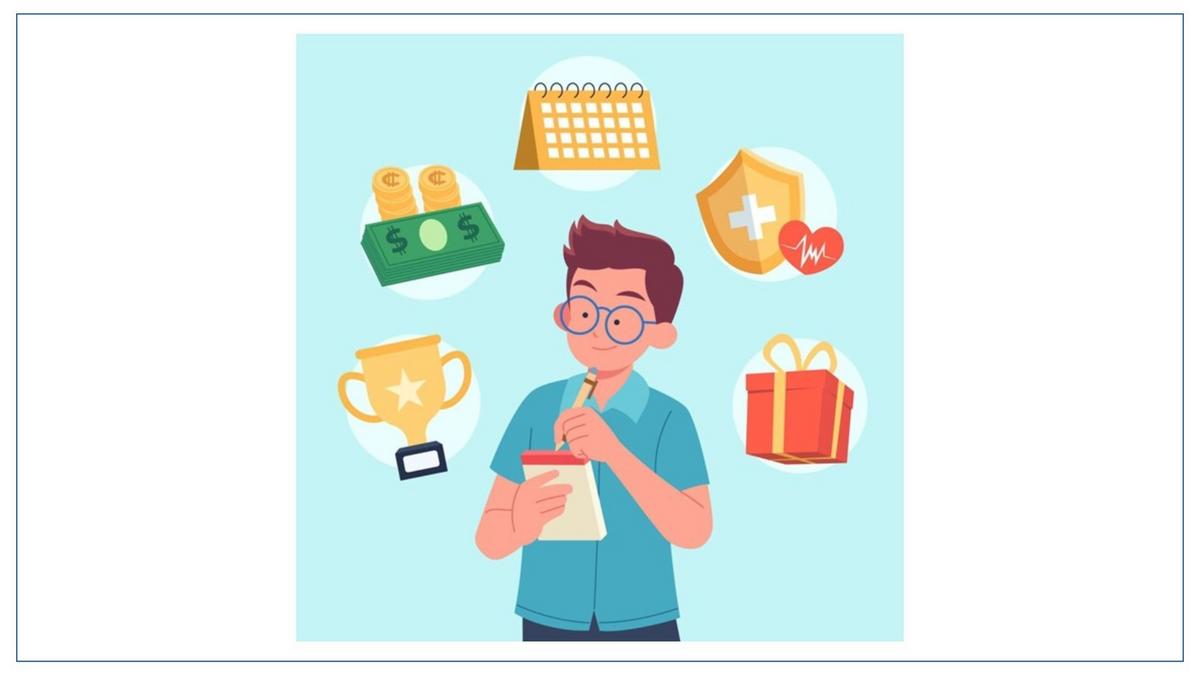
Why are SMEs shifting to customizable benefits plans? Because they deliver better value, improve employee satisfaction, and help retain talent. Flexible benefits allow employees to choose what matters most to them. Whether it’s converting unused leave to insurance top-ups, accessing therapy apps anonymously, or getting credits for learning, personalization creates a sense of care and autonomy.
Here’s what this looks like in practice. A mobility startup in Southeast Asia with fewer than 100 employees reviewed usage data and found that most staff weren’t using their group insurance. HR ran a quick pulse survey and confirmed what they suspected: employees wanted options that fit their lifestyle. The company moved to a modular benefits model. Employees were able to choose from mental health support, fitness allowances, and learning credits. Here are some impressive results:
- Within six months, mental health benefit usage jumped by over 40%
- Overall satisfaction with benefits more than doubled, and
- Voluntary attrition dropped by 15%, all without increasing the company’s budget.
Custom benefits also make HR more strategic. Instead of just administering coverage, HR teams can use real data, like claims history and feedback loops, to tweak and improve their programs. This leads to smarter spending and higher engagement. For SMEs, that kind of efficiency makes a real difference.
Is this approach cost-effective for smaller businesses? Yes. In fact, flexible benefits often help SMEs avoid paying for perks no one uses. And in a competitive hiring landscape, offering personalized benefits can level the playing field with larger companies. It’s a way to stand out, not just survive.
How can Cléma Risk Solutions help? We specialize in guiding startups and SMEs through the process of moving from rigid, off-the-shelf plans to flexible benefits programs that really work for their teams. Our experts help you assess your workforce’s unique needs, analyse usage data, and design a benefits strategy that aligns with your business goals and budget. With Cléma Risk Solutions, you get hands-on support in sourcing flexible insurance products, setting up modular benefit options, and communicating these benefits clearly to your employees, so you can start improving engagement and retention right away.
Moving away from standardized benefits isn’t just a trend, it’s a shift in how modern companies show they care. When employees see that their employer understands their individual needs, it builds trust, loyalty, and performance. If your business is evolving, your benefits strategy should too.
FAQ: Flexible Employee Benefits for SMEs
What are customizable employee benefits?
These are benefits plans that allow employees to choose from a menu of options, such as health, wellness, financial, and personal development perks, based on their individual needs or life stage.
Are flexible benefits expensive for SMEs?
Not necessarily. In fact, customized plans often reduce waste by removing underused benefits and focusing on what employees actually use and value.
Why should SMEs and startups consider moving away from facility programs?
Because traditional plans can be rigid and generic, while Singapore’s workforce is diverse and evolving. Flexible benefits are more engaging and cost-efficient in the long run.
How can Cléma Risk Solutions help SMEs implement flexible benefits?
Clema Risk Solutions provides expert guidance to help SMEs and startups design, implement, and manage flexible benefits programs tailored to their unique workforce and business goals. We support you from needs assessment to vendor sourcing and employee communication.
Can benefits really impact retention and productivity?
Yes. Studies and real-world case studies show that when employees feel cared for and supported through relevant benefits, they are more likely to stay longer and perform better.
By Margaret Ferté, Chief Executive Officer, Cléma Risk Solutions
Source: Cléma Risk Solutions