Event report
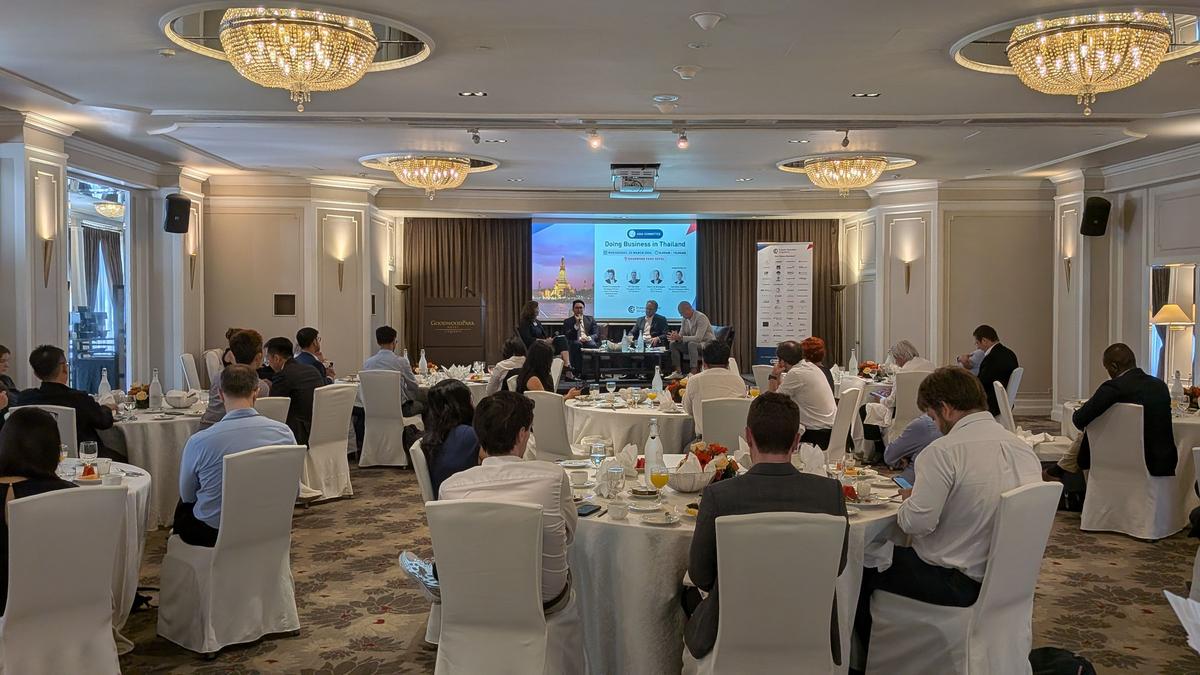
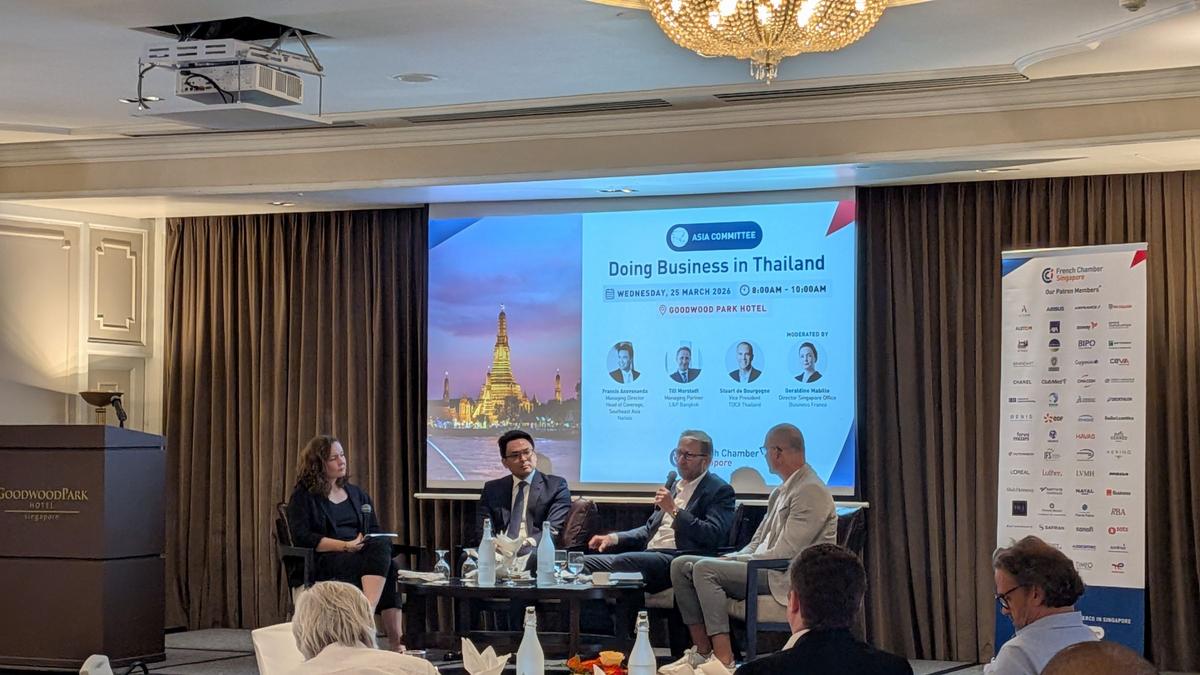
Past Event | Breakfast talk: Doing Business in Thailand
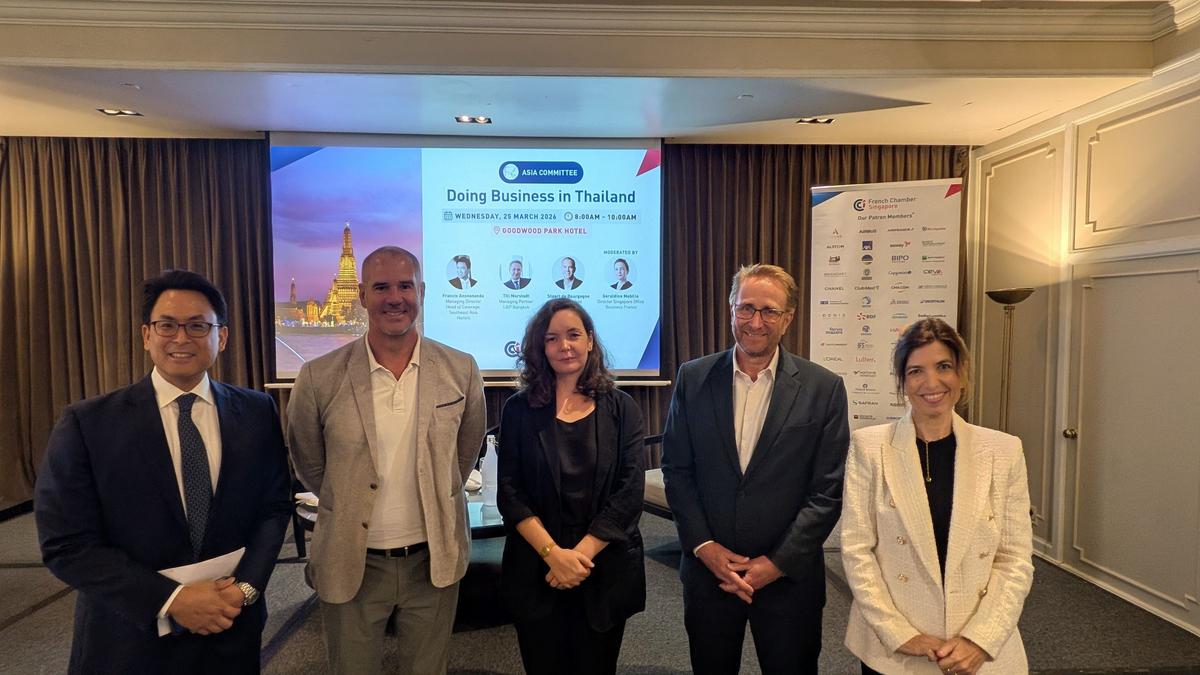
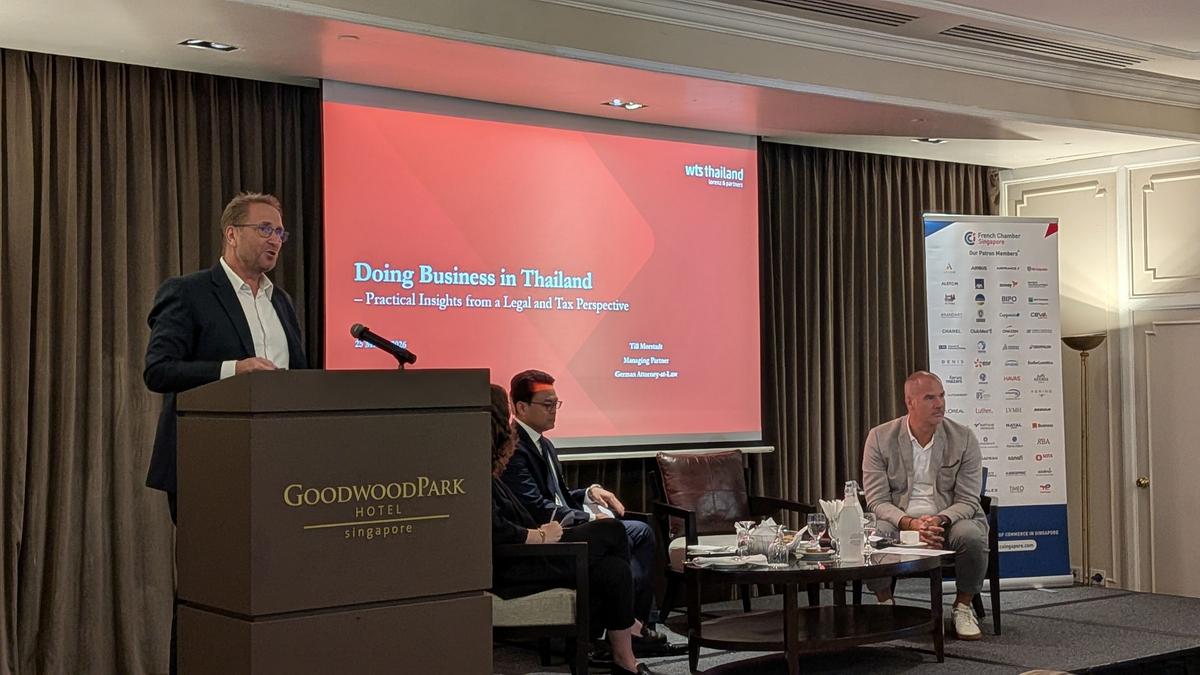
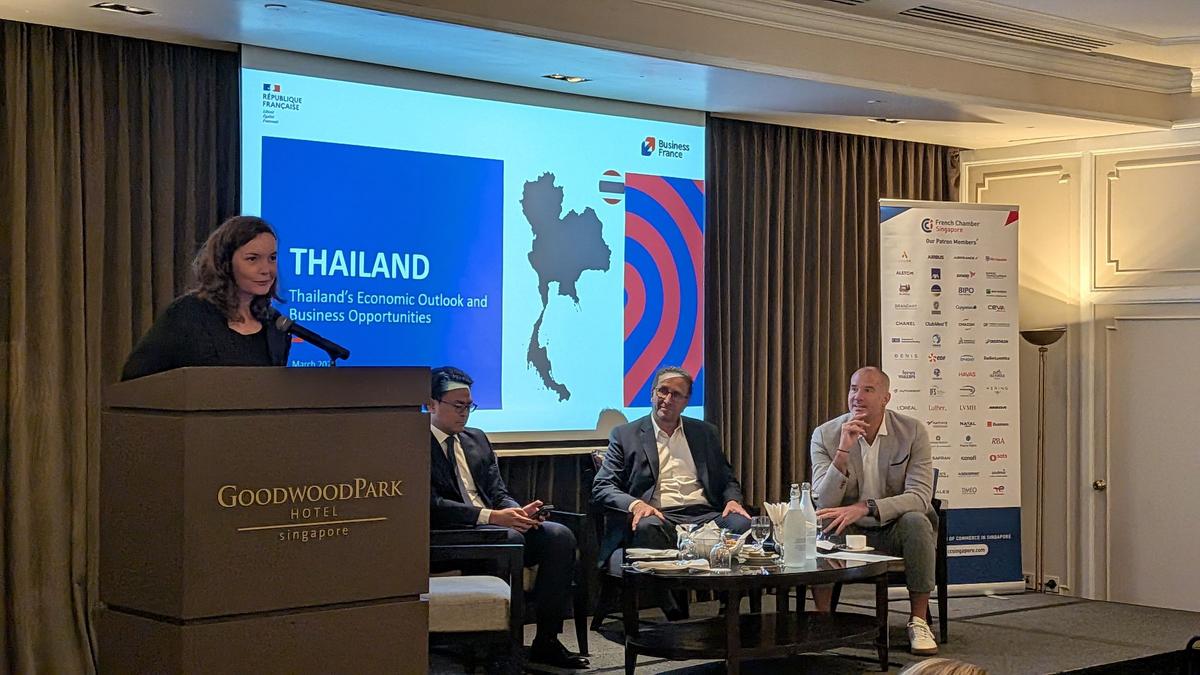
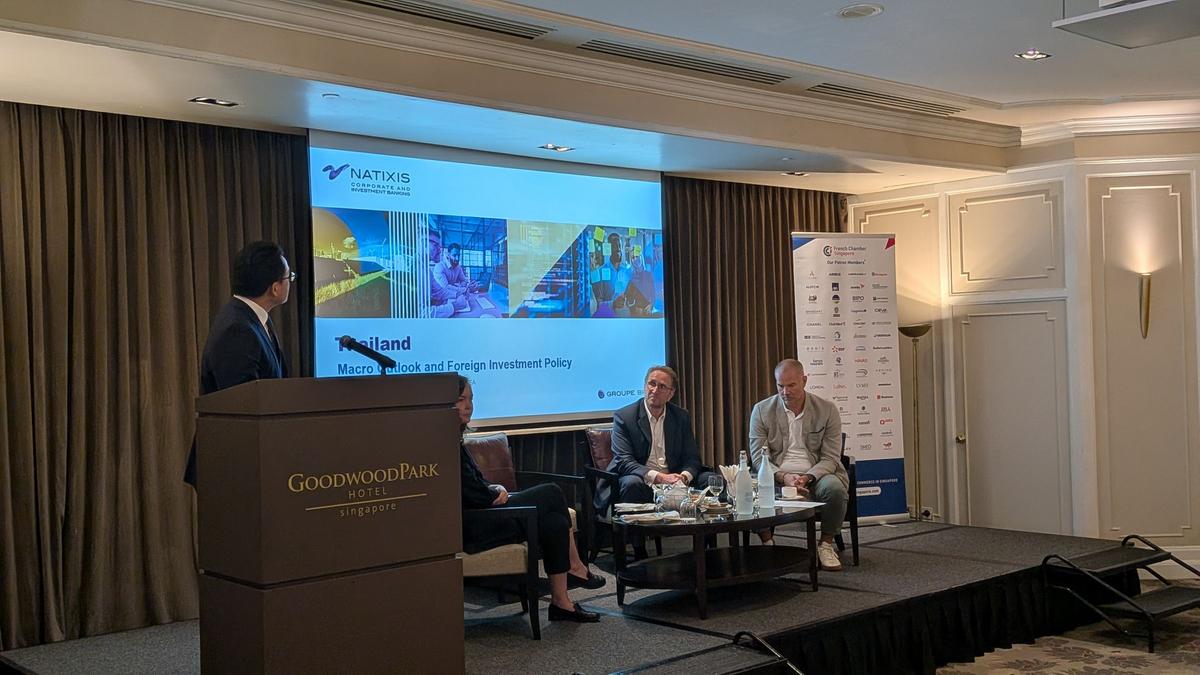
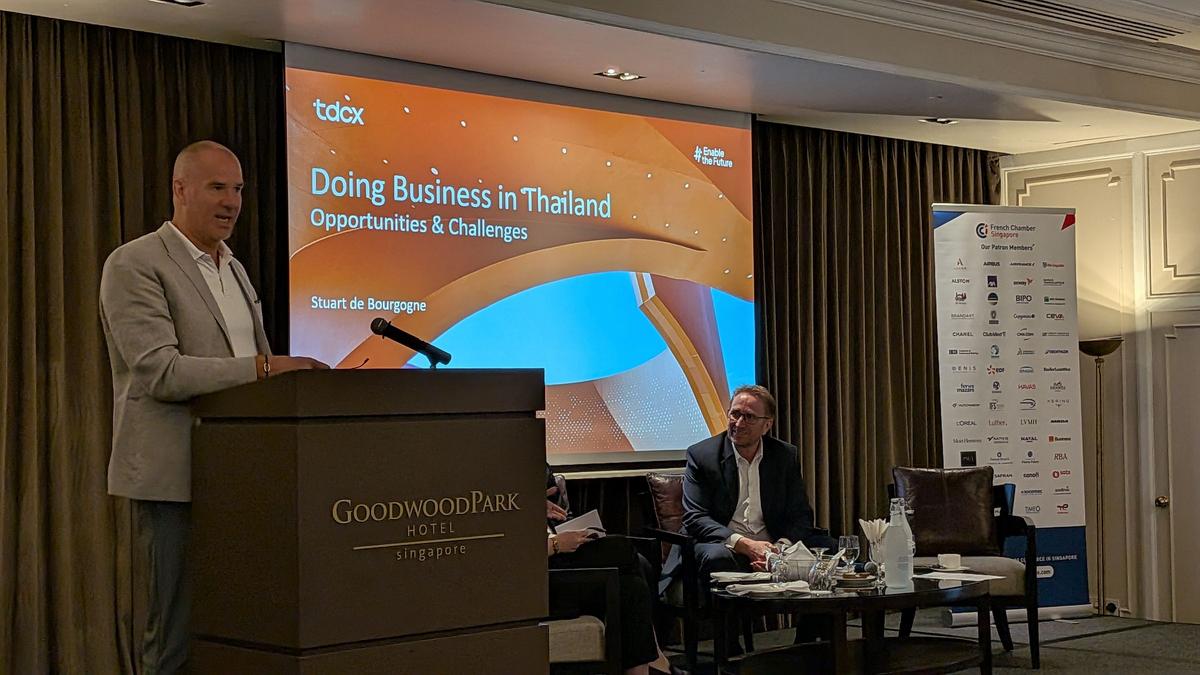
Thank you to our esteemed speakers Francis Ansvananda, Managing Director Head of Coverage Southeast Asia at Natixis, Stuart de Bourgogne, Vice President at TDCX Thailand, Till Morstadt, Managing Partner at Lorenz & Partners Co. (partner of RBA) and Geraldine Mabille, Director Singapore Office at Business France for facilitating this panel discussion exploring the opportunities and practical considerations of doing business in Thailand.
Key takeaways from the event included:
Macroeconomic Outlook & Challenges:
Growth Constraints: Thailand is currently navigating a "middle-income trap" with GDP growth lagging behind regional peers. External headwinds include global trade fragmentation and rising energy costs due to geopolitical conflicts.
Domestic Issues: High household debt and an aging population are significantly throttling private consumption.
Financial Reforms: The administration is implementing structured reforms, such as debt restructuring schemes and stricter "Responsible Lending" mandates for banks.
Thailand is pivoting toward high-value, tech-driven sectors:
EV Hub: Leveraging its "Detroit of Asia" status to become a regional production base for Electric Vehicles and battery cell manufacturing.
AI & Digital Infrastructure: Positioning as a "safe haven" for AI processing and data storage.
Food Security & Wellness: Transitioning from "Kitchen of the World" to "Lab of the World" by focusing on high-value functional foods and medical/wellness tourism for wealthy retirees.
Investment Incentives & Policy:
Board of Investment (BOI): Offers significant fiscal incentives, including Corporate Income Tax (CIT) exemptions for up to 13–15 years for high-priority projects (R&D, biotech).
Eastern Economic Corridor (EEC) 2.0: A special economic zone aiming to attract over USD 60 billion in investment by 2026, offering flat 17% Personal Income Tax for foreign experts and 100% foreign ownership of land and businesses.
Green Energy: The government is liberalizing energy regulations, such as allowing direct Power Purchase Agreements (PPAs) for renewable energy to support ESG-mandated firms and data centers.
Practical Business Considerations:
Company Setup: Foreign businesses are generally restricted under the Foreign Business Act but can gain exemptions through BOI promotion or the Thai-US Treaty of Amity.
Workforce dynamics: Thailand offers a qualified, relatively inexpensive workforce with a minimum wage between THB 337 and 400 per day. Thai employees are known for high loyalty. However, a cultural tendency to avoid speaking one’s mind can be challenging, requiring proactive management to encourage open feedback.
Success Factors: Critical elements for success in the Thai market include navigating the regulatory setup (BOI and PDPA compliance), talent retention strategies, and aligning with local cultural fits.
For more information on the Breakfast talk, please feel free to contact Alexia Duvernoy: aduvernoy(@)fccsingapore.com